
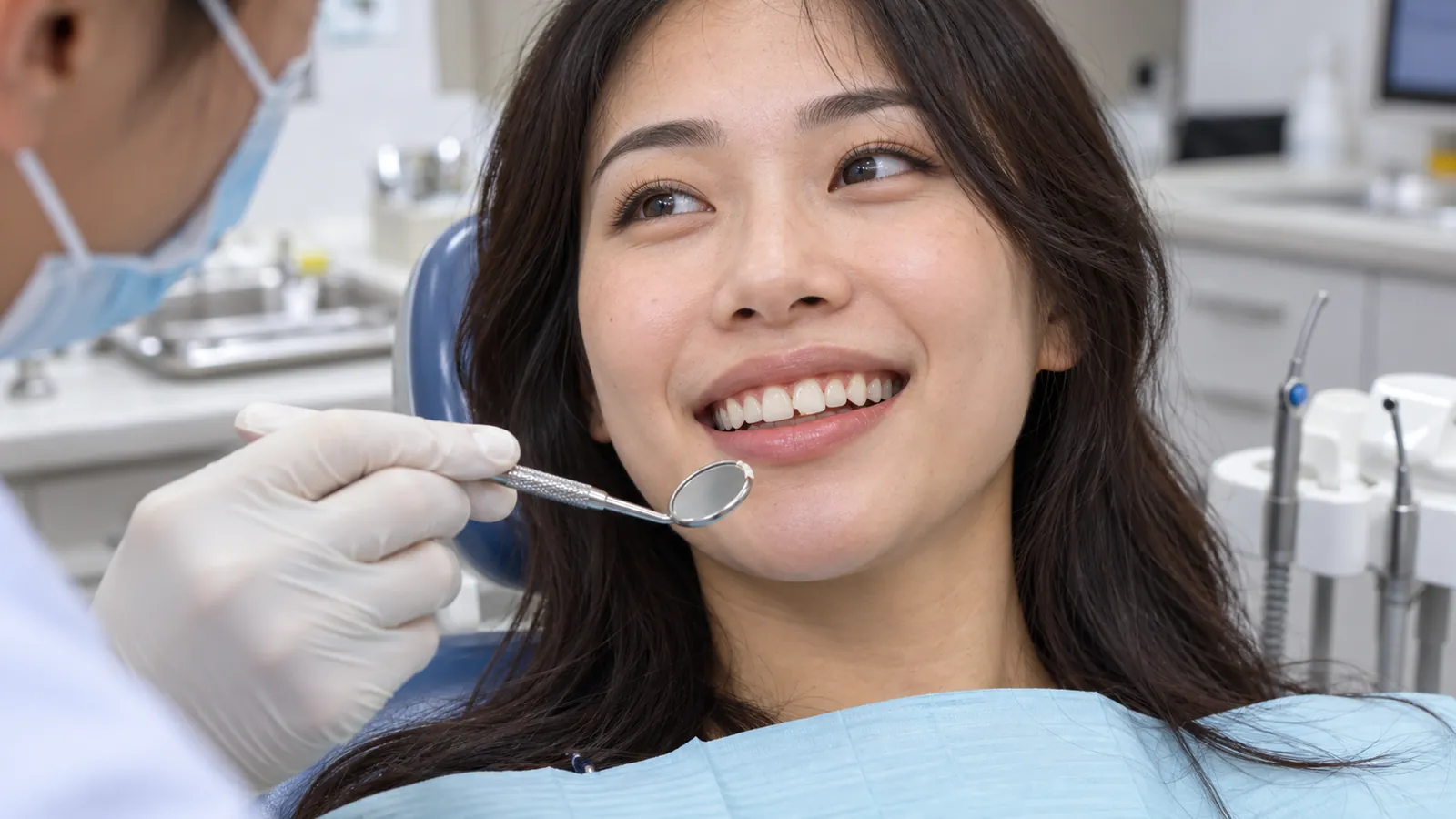
Cosmetic dentistry may improve chipped, worn or uneven teeth, but the best approach depends on why the tooth looks that way and how much healthy structure remains. Bonding, veneers, contouring and crowns address different situations. A small edge chip and a tooth weakened by extensive damage should not automatically receive the same treatment.
At Maple Mews Dental in Burlington, a discussion about appearance starts with understanding the tooth itself. Is the concern an old chip, gradual shortening, an uneven shape or a repair that no longer blends in? Being specific about what bothers you helps the dentist assess it and explain suitable choices.
You do not need to arrive knowing which procedure you want. A more useful starting point is what you would like to change and what you want to preserve.
Why chipped, worn and uneven teeth are not the same problem
A chip describes a piece that has broken away. It may involve a small edge or more substantial damage, and its visible size does not reveal everything about the tooth. Mention when it happened, what you were doing and whether there is pain, sensitivity or a change in your bite.
Wear is a different concern. You might notice several edges looking flatter or teeth appearing shorter in photographs taken years apart. The dentist needs to investigate the pattern and possible causes before discussing how to rebuild the shape.
Unevenness can also exist without a recent injury. One tooth may naturally have a different outline, sit in a different position or include an old restoration. Changing its surface is not necessarily the most appropriate way to address each of those situations.
Describe the difference in your own words: “this edge catches my lip,” “these two teeth look shorter,” or “I want this repair to match better.” Those observations are more useful than assuming that every irregular tooth needs a veneer. If a tooth has just broken, contact the office for advice instead of waiting for a routine cosmetic consultation.
What the dentist checks before discussing appearance
The assessment considers the tooth’s condition, existing restorations, gums and how the teeth meet. Further tests or imaging may be recommended when the history or findings warrant them. Tell the dentist about symptoms even when your main concern is how the tooth looks.
Ask whether the issue is limited to appearance or also affects strength and function. Maple Mews Dental provides restorative dentistry, which is relevant when damaged tooth structure needs attention. A treatment may improve appearance while also addressing a restorative need; the reasoning should be clear in your plan.
Bring details about past repairs. Has the same corner broken more than once? Did a filling recently feel different? Have you been told that you clench or grind? A repeated problem deserves an explanation before the next repair is chosen.
Explain the extent of the change you want. Repairing one edge while preserving the rest of your smile is a different request from changing the shape and colour of several teeth. Ask the dentist to show you which areas would be treated and which would remain as they are.
When dental bonding may be considered
Dental bonding uses tooth-coloured material to reshape or repair selected areas. It may be discussed for a suitable chip or a limited shape change, depending on the tooth’s condition and the demands placed on the repair.
For cosmetic dentistry in Burlington, ask Maple Mews Dental whether bonding could address your particular concern and what its limitations would be. The size and position of the repair matter, as does the way that part of the tooth contacts opposing teeth.
A useful conversation goes beyond whether the result can look good on the day it is placed. Ask how the material would be maintained, what might cause it to chip or stain and whether a future repair would be straightforward. Avoid treating any restoration as permanent or assuming one person’s result predicts yours.
If colour is also a concern, mention that before treatment. Ask how the repaired area would be matched and whether any planned whitening should affect the sequence. Changing the shade of natural enamel is different from changing the colour of an existing restoration.
You can also ask whether the proposed change requires removing tooth structure or mainly adding material. The answer should describe your actual treatment rather than a blanket claim that bonding is always non-invasive.
When veneers or crowns may enter the discussion
Veneers and crowns are different restorations. A veneer covers the front surface of a tooth, while a crown covers more of the tooth. The choice should reflect the condition of the tooth and the intended change, not simply which treatment is more familiar from advertising.
The American Dental Association’s guide to veneers notes that tooth health needs attention before veneer placement and that preparation involving enamel removal is irreversible. Ask how much preparation your proposal involves, what alternatives exist and what future maintenance could be needed.
A crown may enter the discussion when there are broader structural concerns. It should not be assumed necessary just because an edge looks uneven. Ask what finding supports the recommendation and whether a more limited repair would be suitable.
For some small irregularities, a dentist may consider contouring the edge. Because reshaping removes tooth material, the amount and location need professional assessment. Do not file your own teeth or use household tools to smooth a rough area. Ask the office how soon it should be examined.
When several options are reasonable, ask for their trade-offs side by side: the change each can achieve, the tooth structure involved, maintenance, appointments and cost. A clear comparison is more useful than selecting a procedure from before-and-after photographs alone.
Why bite and grinding can affect the plan
A new shape still has to function when you bite and chew. If a tooth has repeatedly chipped, or several teeth show wear, the dentist needs to consider what may be contributing. Rebuilding the appearance without discussing the cause can leave an important question unanswered.
The National Institute of Dental and Craniofacial Research explains bruxism, or grinding and clenching, and its possible effects on teeth and jaw muscles. Some people are unaware of the habit. However, worn teeth alone do not establish that grinding is the only explanation.
Mention morning jaw tiredness, a partner hearing grinding or a habit of holding your teeth together during the day. Bring an existing dental appliance if you use one, and explain whether it still fits comfortably. Do not assume an old guard will remain appropriate after a tooth’s shape changes.
If protection or another part of care is recommended, ask how it relates to the restoration. What is it intended to protect against, when should you use it and when should it be reviewed? A cosmetic change is one part of a plan; maintaining the result also needs discussion.
Questions to ask before choosing cosmetic treatment
The appointment should leave you understanding the recommendation, including its limits. Write down the concern that matters most before you go. This can keep the discussion focused if several possibilities are presented.
- What caused the chip, wear or uneven shape, and is that still active?
- Does this tooth have a health or strength problem as well as an appearance concern?
- Which suitable option preserves the most healthy tooth structure?
- What would each option change, and what would it leave unchanged?
- Would any step be irreversible?
- How would the result be matched to neighbouring teeth?
- What repairs, maintenance or protective measures might be needed later?
- What is included in the written estimate and follow-up?
Ask how the proposed result will be discussed before treatment begins. If there are limits to the achievable shape or colour, it is better to understand them early. You can want an improvement without wanting every tooth to look identical.
Tell the team about an upcoming event, but allow room for assessment and planning. A deadline does not make every procedure appropriate. If you are unsure about the recommendation, ask for time to review the options and an explanation of whether waiting has any clinical implications.
Frequently Asked Questions
Discuss Your Questions With Maple Mews Dental
If chipped, worn or uneven teeth concern you, contact Maple Mews Dental at 1235 Fairview Street in Burlington. Describe what has changed and what you hope to improve. An assessment can help separate a limited cosmetic concern from a problem that also needs restorative care, so you can compare appropriate options with clear expectations.
